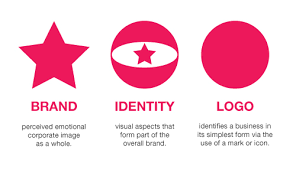
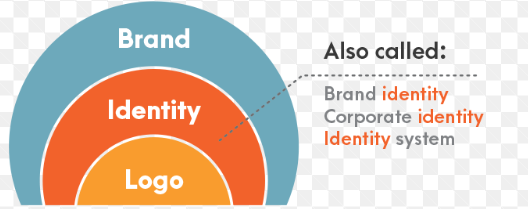
A strong logo & brand identity is the foundation of every successful business. Before designing visuals or choosing colors, a brand must clearly understand who it is, what it stands for, and how it wants to be perceived by its audience. Step 1 focuses on building this foundation by defining brand purpose, values, target audience, and positioning. Without a clear foundation, even the most attractive logo design can fail to create impact.
Brand identity is not just about looking good—it is about communicating meaning. Customers don’t only buy products or services; they buy trust, emotion, and experience. A well-defined brand identity helps businesses communicate these elements clearly and consistently across all platforms.
Defining Brand Purpose and Vision
The first step in building a logo & brand identity is defining the brand’s purpose and vision. Brand purpose answers the question: Why does this brand exist? Vision defines where the brand wants to go in the future. These elements guide every branding decision, from logo design to marketing communication.
A clear purpose helps brands connect emotionally with their audience. When customers understand what a brand stands for, they are more likely to trust and support it. Vision provides long-term direction and ensures consistency as the brand grows and evolves.
Identifying Core Brand Values
Brand values represent the principles that guide a business’s actions and communication. These values should be authentic, meaningful, and aligned with the brand’s mission. Whether a brand focuses on innovation, reliability, transparency, or creativity, these values influence how the brand presents itself visually and verbally.
In logo & brand identity development, values play a key role in design choices. For example, a brand focused on professionalism may choose minimal and clean design elements, while a creative brand may adopt bold colors and expressive typography. Clear values ensure that branding decisions remain consistent and purposeful.
Understanding the Target Audience
A successful brand identity is built for the audience, not just the business owner. Understanding the target audience is essential in Step 1. This includes identifying demographics, interests, behaviors, needs, and pain points. The more clearly a brand understands its audience, the more effectively it can communicate with them.
Different audiences respond to different visual styles and messaging. A youth-focused brand may use energetic colors and casual language, while a corporate brand may prioritize simplicity and authority. Knowing the audience ensures that the logo & brand identity resonates with the right people.
Brand Positioning and Market Research
Brand positioning defines how a business stands out in the market compared to competitors. This requires researching competitors, industry trends, and customer expectations. Market research helps identify gaps and opportunities that a brand can leverage to differentiate itself.
In Step 1, businesses should analyze competitor logos, brand styles, and messaging. This prevents imitation and encourages originality. A strong brand positioning ensures that the logo and identity feel unique and memorable rather than generic.
Defining Brand Personality
Brand personality gives human traits to a brand, such as friendly, professional, bold, or trustworthy. This personality influences visual identity, tone of voice, and overall brand experience. Customers are more likely to connect with brands that feel relatable and consistent.
Defining personality early helps guide logo style, typography, imagery, and messaging. For example, a playful brand may use rounded shapes and bright colors, while a luxury brand may prefer elegant fonts and muted tones. A clear personality strengthens the logo & brand identity from the start.
Aligning Branding with Business Goals
Brand identity should always support business goals. Whether the goal is to increase brand awareness, attract premium clients, or expand into new markets, branding decisions should align with these objectives. Step 1 ensures that branding is not just creative but also strategic.
A brand focused on growth may prioritize scalability and flexibility in its logo design. A brand aiming for trust and authority may focus on clarity and consistency. Aligning branding with goals ensures long-term effectiveness.
Importance of Consistency from the Beginning
Consistency begins at Step 1. Defining rules, direction, and strategy early prevents confusion later. When branding is inconsistent, customers receive mixed signals, which can reduce trust. A strong foundation ensures that every future design and marketing effort feels connected.
Consistency in logo & brand identity improves recognition and builds credibility over time. Brands that appear consistent across platforms are more likely to be remembered and trusted by their audience.
Designing and Developing a Consistent Logo & Brand Identity System
After defining the brand foundation in Step 1, the next stage of logo & brand identity development is translating strategy into visual and communicative elements. Step 2 focuses on design execution—creating a logo, visual system, and brand elements that consistently represent the brand across all platforms. This step bridges brand strategy and real-world brand presence.
A strong brand identity system ensures that customers instantly recognize the brand, no matter where they encounter it. From websites and social media to packaging and advertisements, consistency is essential for building trust and memorability.

1. Neo-Minimalism: Clean + human (curves, warmth)
2. Dynamic/Adaptive: SVG morphs (mobile→desktop)
3. AI-Enhanced: Tools generate → refine
4. Sustainable: Earth tones, organic
Demo: Figma morph from Lucky Zip logo variants.
Transforming Brand Strategy into Visual Identity
Step 2 begins with converting brand purpose, values, and personality into visual form. Design choices should reflect what the brand stands for. For example, a technology-focused brand may emphasize clean lines and modern typography, while a lifestyle brand may use expressive colors and organic shapes.
In logo & brand identity design, visuals are not decorative—they are communicative. Every design element should reinforce the brand’s positioning and message. This alignment ensures that the identity feels authentic and intentional.
Logo Design Process and Best Practices
The logo is the core element of brand identity. A well-designed logo must be simple, versatile, and memorable. Simplicity ensures clarity across different sizes and platforms, while versatility allows the logo to work in digital, print, and physical environments.
During the logo design process, multiple concepts are explored based on brand strategy. Refinement focuses on balance, proportion, and readability. A strong logo avoids trends that may become outdated and instead aims for timeless appeal. This approach ensures long-term value for the brand identity.
Color Palette and Brand Recognition
Color plays a powerful role in how customers perceive a brand. In Step 2, a defined color palette is created to support brand recognition and emotional connection. Primary and secondary colors are selected based on brand personality and audience psychology.
Consistent use of colors across all brand materials improves recognition and recall. When customers repeatedly see the same colors associated with a brand, it strengthens memory and trust. A well-chosen color system is essential to a successful logo & brand identity.
Typography and Visual Hierarchy
Typography defines how a brand communicates visually. Fonts convey tone, professionalism, and personality. In Step 2, brands choose primary and secondary typefaces that complement the logo and overall identity.
Consistent typography improves readability and creates a clear visual hierarchy. Headlines, body text, and call-to-action elements should follow defined rules. This consistency ensures that all brand communication feels unified and professional across platforms.
Imagery and Graphic Style
Imagery style is another critical part of brand identity design. This includes photography style, illustrations, icons, and graphic elements. Whether a brand uses minimal photography or bold illustrations, the style should remain consistent and aligned with brand personality.
Defined imagery guidelines help maintain consistency across marketing materials. This strengthens brand storytelling and ensures that visuals support the overall message rather than distract from it.
Brand Voice and Communication Style
Step 2 also focuses on how the brand communicates verbally. Brand voice defines tone, language style, and messaging approach. Whether the brand voice is friendly, authoritative, or inspirational, it should remain consistent across content, ads, and customer interactions.
Aligning visual identity with brand voice creates a cohesive experience. A professional-looking brand with casual messaging can feel inconsistent. Strong logo & brand identity ensures harmony between visuals and communication.
Creating Brand Guidelines for Consistency
To protect consistency, Step 2 includes developing brand guidelines. These guidelines document logo usage, color codes, typography rules, imagery style, and tone of voice. They serve as a reference for designers, marketers, and partners.
Brand guidelines prevent misuse of the logo and ensure that branding remains consistent as the business grows. This is essential for maintaining a strong logo & brand identity over time.
Applying Brand Identity Across Platforms
Once the identity system is defined, it must be applied consistently across all platforms. This includes websites, social media profiles, email templates, advertisements, packaging, and print materials. Consistent application strengthens brand recognition and professionalism.
Digital platforms require responsive logo variations and adaptable layouts. Step 2 ensures that the brand identity remains clear and effective on all screen sizes and devices.
Scaling, Managing, and Evolving Logo & Brand Identity for Long-Term Growth
After establishing the foundation and visual system, Step 3 focuses on managing, scaling, and evolving the logo & brand identity as the business grows. Branding is not a one-time task; it is an ongoing process that must adapt to market changes, customer expectations, and business expansion. This step ensures the brand remains relevant, consistent, and competitive over time.
A strong brand identity must work across new platforms, markets, and audiences without losing its core essence. Step 3 helps businesses protect brand consistency while allowing flexibility for growth and innovation.
Brand Consistency Management at Scale
As businesses grow, multiple teams, partners, and platforms begin using the brand. Maintaining consistency becomes challenging but critical. Centralized brand management ensures that logos, colors, fonts, and messaging remain uniform across all touchpoints.
Using digital asset management systems helps teams access approved brand materials easily. Regular brand audits identify inconsistencies and correct misuse. Strong consistency reinforces recognition and trust, making the logo & brand identity stronger with every interaction.
Adapting Brand Identity for Digital and Global Platforms
Modern brands operate across websites, mobile apps, social media platforms, online marketplaces, and digital advertising channels. To succeed in such a dynamic environment, a strong Logo & Brand Identity must be scalable and adaptable. A well-structured brand identity system includes responsive logo variations, flexible layouts, and consistent design elements that function seamlessly across all devices and screen sizes. This ensures that the brand remains recognizable, professional, and visually consistent wherever customers interact with it.
For businesses expanding into global markets, cultural sensitivity becomes a critical part of Logo & Brand Identity development. While the core brand values and visual identity remain unchanged, subtle adjustments in messaging, imagery, or color usage may be necessary to connect with different cultural audiences. Brands that successfully adapt their identity without losing their essence are able to build trust, relevance, and recognition across diverse markets, strengthening their global brand presence.
Brand Experience and Customer Touchpoints
Brand identity is experienced, not just seen. Every customer interaction—website navigation, customer support, emails, packaging, and advertisements—contributes to brand perception. Step 3 focuses on aligning all touchpoints to deliver a consistent and positive brand experience.
User experience (UX) design plays a major role in digital branding. Clear navigation, consistent visuals, and intuitive interfaces strengthen the brand image and improve customer satisfaction. A seamless experience reinforces the logo & brand identity at every stage of the customer journey
Monitoring Brand Performance and Perception
Measuring brand effectiveness is essential for long-term success. Businesses should track brand awareness, recognition, engagement, and customer sentiment. Surveys, social listening, analytics, and feedback tools provide insights into how the brand is perceived.
Monitoring performance helps identify when updates or refinements are needed. If the brand no longer resonates with the audience, strategic adjustments ensure relevance. Data-driven decisions protect and strengthen the brand identity over time.
Brand Evolution and Rebranding Strategies
Markets evolve, and brands must evolve with them. Step 3 includes knowing when and how to refresh or rebrand. Evolution may involve minor updates such as logo refinements, color adjustments, or typography changes, while rebranding may involve a complete identity overhaul.
Successful brand evolution respects brand heritage while modernizing its appearance and messaging. Abrupt or frequent changes can confuse customers, so strategic planning and communication are essential when updating the logo & brand identity.
Aligning Branding with Marketing and Growth Strategies
Brand identity must support marketing goals. Step 3 ensures alignment between branding and campaigns across paid advertising, content marketing, social media, and offline promotions. Consistent branding improves campaign performance and brand recall.
A strong logo & brand identity makes marketing more effective by increasing recognition and trust. Customers are more likely to engage with and convert through brands they recognize and trust.
Internal Brand Adoption and Culture
Employees are brand ambassadors. Step 3 emphasizes internal branding—ensuring teams understand and embody the brand values, voice, and visual identity. Training and internal communication reinforce brand consistency and authenticity.
When employees align with the brand, customer interactions become more genuine and consistent. Strong internal adoption strengthens external brand perception and long-term brand equity.
Long-Term Brand Equity and Competitive Advantage
Over time, consistent branding builds brand equity—the intangible value that makes a brand recognizable and trusted. Strong brand equity leads to customer loyalty, pricing power, and market differentiation.
A well-managed logo & brand identity becomes a competitive advantage. It reduces marketing friction, improves customer trust, and supports sustainable business growth in competitive markets.
Protecting, Optimizing, and Future-Proofing Logo & Brand Identity
Step 4 focuses on protecting, optimizing, and future-proofing the logo & brand identity so that it remains strong, relevant, and valuable over time. As competition increases and digital platforms evolve, brands must go beyond design and consistency. This stage ensures that branding becomes a long-term business asset rather than just a visual element.
A future-ready brand identity balances protection, adaptability, innovation, and trust. Step 4 helps businesses safeguard their brand while continuously optimizing it for changing market conditions.
Brand Protection and Legal Considerations
Protecting a logo & brand identity is critical for maintaining exclusivity and credibility. Trademark registration prevents unauthorized use of logos, brand names, and visual elements. Without legal protection, brands risk imitation, dilution, and loss of trust.
Businesses should also monitor online platforms for misuse or duplication of brand assets. Consistent enforcement of brand rights strengthens brand authority and prevents confusion among customers. Legal protection ensures that the brand identity remains uniquely associated with the business.
Optimizing Brand Identity for Performance
Brand identity should not remain static. Step 4 emphasizes optimization based on performance data. Businesses must analyze how branding impacts engagement, conversions, and customer loyalty. Metrics such as brand recall, click-through rates, and customer feedback provide insights into effectiveness.
If certain visuals or messages underperform, refinement is necessary. Minor updates in color usage, layout, or messaging can significantly improve results without disrupting brand recognition. Continuous optimization keeps the brand identity effective and competitive.
Brand Identity and Trust Building
Trust is a key outcome of strong branding. Customers are more likely to engage with brands that appear consistent, professional, and transparent. Step 4 highlights the importance of reinforcing trust through branding elements such as clear messaging, consistent visuals, and authentic storytelling.
Trust-building also involves social proof. Testimonials, case studies, reviews, and certifications should align visually with the brand identity. When trust signals are integrated into branding, they enhance credibility and customer confidence.
Innovation and Brand Experimentation
Future-proof brands allow room for controlled experimentation. Step 4 encourages brands to test new formats, platforms, and creative approaches while staying within brand guidelines. Innovation may include interactive content, motion logos, short-form videos, or immersive brand experiences.
Experimentation should be strategic, not random. Testing new ideas helps brands stay relevant to younger audiences and emerging platforms while preserving core identity. Smart innovation strengthens the logo & brand identity without compromising consistency.
Brand Identity in Emerging Technologies
As technology evolves, branding must adapt. Step 4 prepares brands for emerging trends such as AI-driven personalization, voice search, augmented reality (AR), and virtual reality (VR). Logos and brand elements may need animation, sound branding, or interactive versions.
For example, motion logos enhance video content and digital experiences. Voice branding ensures consistency in audio platforms and virtual assistants. Brands that adapt early gain a competitive advantage in future digital environments.
Managing Brand Reputation Online
Online reputation is closely tied to brand identity. Step 4 emphasizes monitoring social media, reviews, and online conversations to understand public perception. Negative experiences can quickly impact brand image if not addressed consistently and professionally.
Brands should respond using a consistent tone and visual style that reflects their identity. Crisis communication plans aligned with brand values help maintain trust even during challenges. Strong reputation management protects the logo & brand identity in the long run.
Sustainability and Ethical Branding
Modern consumers value ethics and sustainability. Step 4 integrates these values into brand identity. Visual storytelling, messaging, and campaigns should reflect environmental responsibility, inclusivity, and social impact where applicable.
Ethical branding strengthens emotional connection and long-term loyalty. When sustainability is authentically embedded into the brand identity, it enhances credibility rather than appearing as marketing noise.
Measuring Long-Term Brand Equity
Brand equity represents the long-term value of a brand. Step 4 focuses on measuring this value through awareness, loyalty, perceived quality, and emotional connection. Strong brand equity leads to higher customer retention and pricing power.
Regular brand audits help track equity growth and identify risks. By measuring long-term impact, businesses can justify branding investments and make informed strategic decisions.