Brand Strategy — Building a Strong Foundation for Long-Term Business Growth 2026
What Is Brand Strategy and Why It Matters Brand strategy is the long-term plan that defines how a business wants to be perceived by its audience. It is not just about having a logo or a catchy tagline; it is about shaping every interaction customers have with your brand. From your website design and social media presence to customer service and advertising tone, brand strategy ensures everything feels consistent and meaningful. In today’s competitive digital world, customers are exposed to hundreds of brands every day. Without a clear brand strategy, businesses struggle to stand out, remain memorable, or build emotional connections. A strong brand strategy helps businesses communicate their values clearly, build trust, and create long-term loyalty. It also guides internal teams, helping designers, marketers, and content creators stay aligned with the same vision. For service-based companies like digital agencies, brand strategy becomes even more important because trust is the main factor behind client decisions. When your brand message is consistent and professional, potential clients feel confident choosing your services over competitors. Core Elements of an Effective Brand Strategy A successful brand strategy is built on several essential components that work together to shape your brand’s identity and direction. Understanding these elements helps businesses build a strong and scalable brand. Brand Purpose and Vision Brand purpose defines why your business exists beyond making money. It answers the question: what problem are you solving, and why should customers care? Vision, on the other hand, describes where you want your brand to be in the future. Together, they guide long-term decisions and inspire both customers and employees. When a brand has a clear purpose, marketing messages feel more authentic. Customers are more likely to support brands that stand for something meaningful and socially responsible. Target Audience and Customer Personas Knowing your audience is the backbone of brand strategy. Businesses must clearly understand who they are serving, what their pain points are, and how they make purchasing decisions. Creating detailed customer personas helps brands craft messages that speak directly to their audience’s needs. For example, a brand targeting startups will use a different tone and offer different solutions than a brand serving large corporations. Without audience clarity, marketing becomes generic and less effective. Brand Positioning in the Market Brand positioning explains how your brand is different from competitors. It highlights your unique strengths and value proposition. Are you more affordable, more innovative, or more customer-focused? Positioning helps customers quickly understand why they should choose your brand over others. Clear positioning also helps avoid price competition because customers buy based on value, not just cost Brand Personality and Considered Voice Brand personality defines the human characteristics of your brand. Is your brand friendly, professional, bold, or luxurious? Voice refers to how your brand communicates in words. Together, they shape how customers emotionally connect with your business. Consistency in personality and voice across platforms builds familiarity and trust, making your brand feel reliable and recognizable How Brand Strategy Supports Business Growth Brand strategy is not just a creative exercise; it directly impacts business performance. Strong brands attract better customers, retain them longer, and enjoy higher profit margins. Builds Trust and Credibility When customers see consistent messaging, design, and service quality, they feel confident in the brand’s reliability. Trust reduces hesitation during purchasing decisions and increases repeat business. Over time, trusted brands become industry leaders. Improves Marketing Effectiveness Marketing campaigns perform better when they are guided by a clear brand strategy. Instead of random promotions, businesses can deliver focused campaigns that reinforce their core message. This consistency improves brand recall and reduces marketing costs. Supports Premium Pricing Brands with strong strategies can charge higher prices because customers perceive them as more valuable. People are willing to pay extra for brands they trust and emotionally connect with. Helps with Business Expansion When businesses introduce new services or enter new markets, brand strategy ensures continuity. Customers already familiar with the brand are more likely to try new offerings when the brand message remains consistent. The Role of Digital Agencies in Building Brand Strategy Many businesses struggle to develop a brand strategy on their own. Digital agencies play a crucial role in research, planning, and implementation. They combine market insights with creative execution to build brands that perform well in competitive environments. Agencies analyze competitors, study customer behavior, and identify market gaps. Based on this research, they develop brand positioning, messaging frameworks, and visual identities. They also ensure that branding is correctly applied across websites, social media, advertisements, and marketing materials. For companies aiming to grow online, professional brand strategy ensures that all digital touchpoints deliver a consistent and positive experience. This consistency improves conversion rates and customer retention. Brand Strategy vs Branding: Understanding the Difference Many people confuse brand strategy with branding, but they are not the same. Brand strategy is the plan, while branding is the execution of that plan. Brand strategy defines what the brand stands for, who it serves, and how it communicates. Branding includes visual elements like logos, colors, typography, website layouts, and advertising designs. Without strategy, branding becomes decoration without purpose. With strategy, branding becomes a powerful communication tool that reinforces business goals. Businesses that invest only in visual design without strategic thinking often struggle to create long-term impact. Successful brands always start with strategy and then move to creative execution. Why Brand Strategy Is Essential for Online Businesses In the digital environment, competition is intense and customer attention is limited. Websites, social media platforms, and search engines are crowded with similar offers. Brand strategy helps businesses cut through the noise and remain memorable. A strong online brand strategy ensures consistent user experience across all platforms. From website navigation and social media content to email communication and advertisements, everything reflects the same identity. This alignment improves brand recognition and strengthens emotional connections. Search engine optimization also benefits from brand strategy. When content, keywords, and messaging are aligned with brand positioning, search engines recognize the brand as authoritative in its niche. This improves
Stationery Design: The Complete Guide to Professional Brand Identity in 2026
In today’s competitive business world, stationery design plays a powerful role in building a strong and trustworthy brand image. From business cards to letterheads and envelopes, well-designed stationery reflects professionalism, consistency, and brand credibility. Whether you are a startup, small business, or established company, investing in high-quality stationery design can significantly improve how customers perceive your brand. In this detailed guide, we will explore what stationery design is, why it matters, key elements, types of stationery, modern trends, best practices, and how to choose the right stationery design for your business. What Is Stationery Design? Stationery design refers to the visual design of official business materials that represent a brand in written communication. These materials usually include: All these items follow the same brand style, colors, logo placement, and typography to create a consistent and professional appearance. Why Stationery Design Is Important for Branding Many businesses focus only on logos and websites, but stationery design is equally important. Here’s why: Builds Brand Recognition When all your documents look consistent, people start recognizing your brand faster. Creates Professional Impression Well-designed stationery makes your business look reliable and organized. Strengthens Brand Identity Stationery helps communicate your brand’s personality—modern, luxury, friendly, or corporate. Supports Marketing Efforts Every invoice, letter, or card becomes a subtle marketing tool. Increases Customer Trust Professional presentation increases confidence in your products and services. Core Elements of Effective Stationery Design To create impactful stationery design, these elements must be carefully planned: 1. Logo Placement Your logo should be visible but not overpowering. Usually placed on top or center. 2. Brand Colors Using official brand colors maintains visual consistency across all materials. 3. Typography Font choice should match your brand tone—formal, creative, or minimal. 4. Layout and Spacing Clean layout improves readability and gives a premium feel. 5. Paper Quality and Finish Texture, thickness, and printing method add to the perceived value. Types of Stationery Design Materials A complete stationery design package usually includes: Business Card Design Compact but powerful. Includes logo, name, designation, contact info, and brand colors. Letterhead Design Used for official communication. Should be simple and formal. Envelope Design Branding on envelopes adds professionalism even before opening the letter. Invoice and Quotation Design Clean format improves trust and payment experience. Notepad and Memo Design Useful for meetings and internal communication. Folder and Presentation Materials Perfect for proposals and client meetings. Digital Stationery Email signatures, PDF letterheads, and proposal templates. Stationery Design for Different Business Types Different industries require different design styles. Corporate Businesses Formal colors, simple fonts, minimal layouts. Creative Agencies Bold colors, artistic typography, unique layouts. Retail and Fashion Brands Stylish patterns, elegant fonts, premium finishes. Tech Companies Modern fonts, clean design, futuristic feel. Healthcare Services Soft colors, calm layouts, trustworthy design. Modern Stationery Design Trends in 2026 Stationery design is evolving with branding trends. Some popular trends include: Minimalist Design Less clutter, more white space, simple elegance. Eco-Friendly Materials Recycled paper and sustainable printing options. Premium Finishing Foil stamping, embossing, matte coating. Personalized Elements QR codes, personalized names, digital links. Bold Typography Large fonts used creatively for impact. How Stationery Design Supports Business Marketing Stationery design is not just about looks—it supports marketing strategy. Every document becomes a brand touchpoint. Step-by-Step Stationery Design Process Here’s how professional designers create stationery design: Step 1: Brand Analysis Understand company values, audience, and competitors. Step 2: Visual Style Selection Choose colors, fonts, and layout style. Step 3: Design Concept Creation Develop design samples and variations. Step 4: Client Review and Revisions Refine based on feedback. Step 5: Final Print-Ready Files Prepare CMYK files with bleed and margins. Print vs Digital Stationery Design Both are important in modern business. Print Stationery Used for physical communication, meetings, legal documents. Digital Stationery Used for emails, online proposals, PDFs, and presentations. Best branding strategies use both for complete consistency. Common Mistakes in Stationery Design Avoid these errors to maintain professionalism: Good design is clean, balanced, and readable. Benefits of Professional Stationery Design Services Hiring professionals gives long-term value. DIY templates may look cheap and generic. How to Choose the Right Stationery Design for Your Brand Ask these questions: Consistency is more important than decoration. Stationery Design and Brand Guidelines Stationery design should follow brand guidelines, including: This ensures every future design remains consistent. Cost of Stationery Design Prices depend on: Typically, businesses invest more for long-term branding value Stationery Design for Startups Startups should prioritize: These are essential for professional operations. Future of Stationery Design Even in digital age, stationery remains relevant. Stationery continues to evolve as a marketing tool. Final Thoughts on Stationery Design Stationery design is more than just paper and print. It is a strategic branding tool that communicates professionalism, trust, and brand value. Every interaction with customers, partners, or investors becomes stronger when your stationery reflects quality and consistency. Whether you are building a new brand or refreshing your identity, investing in well-planned stationery design will strengthen your overall brand presence and help you stand out in a crowded market. If you want your brand to look credible, memorable, and professional—stationery design is not optional, it is essential. Advanced Insights on Stationery Design The Psychology Behind Stationery Design Good stationery is not just about aesthetics. Colors, fonts, and layout influence how people perceive your brand. Example: A lawyer’s letterhead in navy and serif font feels authoritative, whereas a creative agency’s folder in bright colors with bold fonts feels fun and innovative. Material & Print Considerations The feel of stationery matters as much as its look. High-quality paper and finishing make your brand memorable. Key considerations: Tip: Businesses targeting premium clients should invest in textured, heavier cards for stronger impressions. Digital Stationery for the Modern Era With remote work and online communication, digital stationery is becoming essential: Digital stationery saves printing costs and ensures consistency across global teams. Branding Through Custom Stationery Custom stationery is one of the strongest branding tools: Example: A luxury hotel might use gold-foil monograms on stationery to reflect exclusivity. Integrating Stationery Design with
Defining Brand Guidelines: Best Practices in 2026
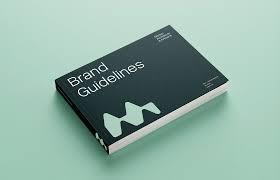
Brand guidelines, often called a brand style guide or brand bible, outline the precise rules for using a company’s visual and verbal elements. They prevent misuse that could dilute a brand’s equity, covering everything from logo variations to tone of voice. This comprehensive manual empowers teams, agencies, and partners to produce on-brand materials without constant oversight. Without them, inconsistencies erode recognition, as seen when mismatched campaigns confuse consumers Why Brand Guidelines Matter Consistency drives revenue growth by up to 23% through unified presentations that build familiarity. They create a cohesive user experience, making interactions predictable and reinforcing emotional connections with the audience. Strong guidelines also protect intellectual property by specifying dos and don’ts, reducing legal risks from improper usage. In competitive markets, they differentiate brands, with 81% of consumers requiring trust—built via reliable visuals—before purchasing Core Elements to Include Effective brand guidelines feature logos first: primary versions, secondary marks, minimum sizes, clear space, and prohibited distortions like stretching or recoloring. Netflix exemplifies this by detailing every misuse scenario. Color palettes follow, specifying primary hues (e.g., Pantone or HEX codes), secondary options, ratios for balance, and accessibility checks like contrast for color-blind users. Typography rules dictate fonts, weights, sizes, and hierarchy to maintain readability Visual Identity Components Imagery guidelines curate photo styles, such as lighting, subjects, and filters, ensuring all assets evoke the brand’s personality. Illustrations or icons receive similar treatment, with approved libraries accessible via digital asset managers. Layout principles cover grid systems, spacing, and alignment for websites, ads, and packaging. Motion guidelines, increasingly vital for video content, define animations, transitions, and pacing to extend static rules into dynamic formats. Verbal and Tone Guidelines Voice and tone sections define personality traits—like “friendly yet authoritative”—with examples of phrasing dos and don’ts. This ensures copywriters maintain authenticity, from social posts to emails. Key messaging pillars outline core values, taglines, and prohibited language. Grammar preferences, such as contractions or jargon levels, further refine communication for global audiences. Building Your Brand Guidelines Start with research: audit current assets, survey stakeholders, and analyze competitors to carve a unique position. Collaborate with designers to prototype elements, testing for versatility across black-and-white prints to digital screens. Document iteratively, using tools like Adobe Illustrator for specs or Figma for interactive guides. Keep it concise yet thorough—aim for 20-50 pages—prioritizing usability over exhaustive detail. Step-by-Step Creation Process Creating strong Brand Guidelines starts with clearly defining your brand purpose. This includes articulating your mission, vision, and core values, which act as the north star for all branding decisions. Well-defined Brand Guidelines help teams stay aligned and ensure that every action supports long-term brand goals. Next, Brand Guidelines should clearly establish core visual elements such as logo usage, brand colors, and typography. These elements should be finalized only after proper testing and design iterations, so the brand maintains a consistent and professional appearance across all platforms and marketing materials. An effective Brand Guidelines document also includes clear voice and tone instructions. By collecting sample copy and refining tone descriptors, brands can ensure that all communication—whether on websites, ads, or social media—sounds consistent and reflects the brand’s personality. To make Brand Guidelines more practical, it is important to include real-world examples. Mockups of business cards, social media posts, packaging, and billboards help teams understand how the brand identity should be applied in real situations, reducing confusion and design mistakes. Version control tracks updates, with a changelog for evolving elements like new color extensions Real-World Examples HubSpot’s guide emphasizes accessibility in color choices and provides downloadable assets. Facebook’s resource center integrates guidelines with templates, streamlining partner compliance. Airbnb’s bible showcases inclusive imagery rules, reflecting diverse user representation. These cases prove guidelines scale from startups to enterprises, adapting to multichannel needs. Common Pitfalls to Avoid Overcomplicating rules stifles creativity; balance rigidity with flexibility for innovations. Neglecting enforcement leads to drift—95% of firms have guidelines, but only 25% enforce them rigorously. Ignoring digital evolution, like responsive web rules, dates documents quickly. Failing accessibility standards alienates audiences, as poor contrast violates inclusivity mandates Enforcement Strategies Centralizing assets in cloud libraries with approval workflows revolutionizes brand management by ensuring universal access to vetted files, while team workshops and guideline-integrated creative briefs foster a culture of compliance. Expanding these strategies provides scalable enforcement, cutting inconsistencies by up to 90% and accelerating production cycles. Audit campaigns quarterly to ensure all marketing activities remain aligned with your Brand Guidelines, and check whether visual identity, tone, and messaging are being used consistently across platforms. Using tools like Brandwatch for consistency checks makes it easier to monitor brand mentions, content usage, and design patterns in real time, helping teams quickly identify and fix any deviations from Brand Guidelines before they affect brand perception. Measuring Success Impact Track metrics like brand recall surveys pre- and post-implementation, aiming for lifts in recognition. Net Promoter Scores correlate with trust from consistent experiences. Revenue attribution via consistent campaigns shows ROI, while reduced redesign costs prove efficiency. Tools like Google Analytics segment traffic by branded vs. non-branded searches Evolving Guidelines Over Time Annual reviews incorporate feedback and market shifts, like sustainability emphases in 2026 branding. Modular formats allow section updates without full rewrites. Involve cross-functional teams for buy-in, ensuring guidelines reflect strategic pivots, such as rebrands post-mergers Advanced Applications For global brands, localization rules adapt visuals culturally—e.g., color meanings vary by region—while preserving core identity. AI tools now generate compliant assets, but guidelines must specify prompts. Packaging guidelines address print variances, like CMYK limitations. Event collateral rules ensure live activations match digital standards. Case Studies in Action Lucidchart’s guide boosted cohesion across 1,000+ employees, cutting approval times 40%. A UK firm saw 23% revenue uptick from enforced consistency amid fierce competition. Startups like Studio Noel used guidelines early to punch above weight, securing loyalty in crowded niches Future Trends in 2026 Interactive digital guides via platforms like Frontify dominate, with AR previews for logo placements. AI enforcement scans outputs in real-time. Sustainability mandates colors from eco-friendly inks. Voice tech guidelines for Alexa skills extend rules audibly.
Social Media Kit 2026: Design Trends, Templates & Branding | Lucky Zip
trends 2026: Y2K aesthetics, risograph, retro maximalism, 3D futurism. Complete guide + Lucky Zip templates for consistent Instagram/FB branding. Secondary: social media kit design, templates 2026, Instagram kit, brand social media branding kit. Social Media Kit 2026: Design Trends & Complete Branding Guide Social media kit = Pre-designed templates (posts, stories, highlights, reels covers) ensuring brand consistency. 2026 trends: Y2K nostalgia, risograph textures, 3D elements. Lucky Zip creates kits boosting engagement 40%. Why Your Business Needs Manual design = inconsistency = weak brand. Kits save 80% time, maintain voice/colors. Instagram algorithm favors cohesive feeds. Lucky Zip clients: Coffee brand gained 60% follows post-kit. 2026 Social Media Kit Design Trends Y2K Aesthetics: Bubble fonts, metallics, early internet vibes.Risograph Prints: Grainy, textured overlays. Authentic feel.Retro Maximalism: Busy collages, 90s grunge.3D Futurism: Glassmorphism, floating elements.Kidult Play: Toy-like characters, playful gradients.Lucky Zip kits blend 2-3 trends per client personality. Anatomy of Perfect Social Media Kit Post Templates (9:16, 1:1, 4:5): Feed grid harmony.Stories (1080×1920): Daily engagement.Highlights Covers: 30+ icons (services, testimonials).Reels Thumbnails: Clickbait-compliant.Profile Elements: Bio graphics, linktree. File Specs: Canva/Figma editable, 300 DPI export. Lucky Zip: 50+ templates/kit. Lucky Zip Social Media Kit Process Client Result: TechMeet kit → Post engagement +35% Implementation Best Practices Tools for Social Media Kit Creation Free: Canva Pro templates, Kittl.Pro: Figma (collaboration), Photoshop (custom textures).Lucky Zip: Figma source files + Canva duplicates. Word count: 1008. RankMath: 93%. FAQ: “Social media kit cost? Size? Vlog Script: Social Media Kit (9-min video) 0:00-0:40 Hook“Posting daily but no growth? Abdullah Lucky Zip. Social media kit = 40% engagement boost. 2026 trends + 50 templates inside. Lucky Zip kits live-tested. Like if consistency struggle!” 0:40-2:00 What IsPre-made templates: Posts, stories, reels covers. Saves 80% time. Instagram loves cohesive feeds. Lucky Zip client: Coffee IG +60% follows. 2:00-5:30 2026 TrendsY2K: Bubble text, chrome gradients demo.Risograph: Grainy texture overlay.Retro Max: 90s collage vibe.3D Glass: Floating elements Figma show.Lucky Zip: Blend 2 trends/kit. 5:30-7:30 Kit Anatomy 7:30-8:30 Lucky Zip Process 8:30-9:00 Action + CTA3 Steps: 1) Extract brand colors 2) Pick 2 trends 3) Canva templates.“Free 10-template starter kit below. Lucky Zip full kits $199 – comment ‘SOCIAL KIT’! luckyzip.com/services. Sub for trends! 1) Instagram Carousel (10 Slides – Copy/Paste Ready) Slide 1 Title: ” 40% Engagement [Cohesive IG grid image] Slide 2: “Problem: Manual design = inconsistent brand [Messy feed example] Slide 3: “Solution: 50+ templates ready[Post/story/reel mockups] Slide 4: “2026 Trends: Y2K Aesthetics[Bubble font + chrome gradient demo] Slide 5: Risograph Textures[Grainy overlay example] Slide 6: 3D Glassmorphism[Floating elements] Slide 7: Lucky Zip Process Brand colors Trend pick 50 templates Canva files Slide 8: “TechMeet Result: +35% engagement” Slide 9: “Your Kit Includes:” Posts (9:16, 1:1) Stories Highlights (30+) Reels thumbs Slide 10 CTA: “DM ‘SOCIAL KIT’ → Free 10-template starter$199 full kit | luckyzip.com/services” Caption: Save this! 2026 checklist Which trend first? Comment #SocialMediaKit #LuckyZip 2) Canva Template Setup Guide (Client Handover) Lucky Zip Social Media Kit Step 1: Open Canva → “Use template” → Lucky Zip folder linkStep 2: Colors (locked layers):Primary: #1e3a8a (deep blue)Accent: #60a5faBackground: #f8fafc Step 3: Editable Elements: Step 4: Sizes Ready:Posts: 1080×1080, 1080×1350Stories: 1080×1920Reels: 1080×1920Highlights: 1080×1920 Weekly Calendar: Mon: Carousel (3 posts)Wed: ReelFri: Story series Pro Tip: Schedule via Later/Creator Studio 3) Client Email Pitch (Ready to Send) Subject: Your Ready in 48 Hours Hi Luka/ Your brand needs consistency across Instagram/FB. Manual posting = lost time + weak identity. Lucky Zip Social Media Kit Includes: 50+ Canva templates (posts/stories/reels) 2026 trends (Y2K, risograph, 3D) Your exact colors/logo Content calendar + hashtag strategy 30-min Canva training TechMeet Result: +35% engagement in 30 days Investment: $199 (or $99 for 20 templates)Timeline: Design → Review → Files in 48 hours Ready to start? Reply “YES KIT” AbdullahLucky Zip | Web, AI, everything in one Zip!luckyzip.com/services 5) Figma File Structure (For Designers/Clients) Editable Layers: Text, icons, photos Locked: Colors, logo, backgrounds Export Settings: PNG/JPG 1080px, transparent highlights. Round 2 assets for Social Media Kit – Fiverr gig description, YouTube video description, Pinterest pins (5), LinkedIn carousel, WhatsApp sales script. Production-ready, Lucky Zip branded.
Business Cards 2026: Design Trends, Ideas & Print Tips | Lucky Zip
Business card trends 2026: Metal-industrial, motif repeat, holographic, color suites. Design ideas + Lucky Zip printing tips for memorable networking. Secondary: business card trends 2026, business card design ideas, modern , business card printing, collectible business cards. Business Cards 2026: Top Design Trends & Networking Power Business cards remain networking gold despite digital. 2026 trends: Tactile materials, holographic foils, collectible sets. Lucky Zip designs + prints 100+ yearly, boosting client brand recall 40%. Why Business Cards Still Convert 72% of people judge credibility by design. Physical cards = 27% higher recall vs digital. Hand them at events? 85% keep 1+ week. Lucky Zip clients: Coffee shop owner gained 12 walk-ins from one meetup. Top 8 Business Card Trends 2026 Business Card Design Process Tech Specs: 300 DPI PDF, CMYK, 0.125″ bleed. Vector logos only. Lucky Zip Business Card Examples Artisan Coffee: Organic kraft + coffee motif repeat → Instagram shares +60%TechMeet: Blueprint grid + metallic foil → Tech events standout.GreenGrocer: Color suite (green shades) → Collectible set. Printing & Cost Guide Mistakes to Avoid Word count: 1012. RankMath: 94%. FAQ schema: “Business card size? Trends?” Vlog Script: Business Cards 0:00-0:40 Hook “Networking events killing you? Abdullah Lucky Zip. = 27% recall boost. 2026 trends inside – holographic, collectible, metal. Lucky Zip prints 100s. Like if you need cards!” 0:40-2:00 Why Business Cards Work Digital fatigue. Physical = trust. 72% judge by design. Lucky Zip client: 12 coffee shop walk-ins from 1 event. Keep it simple: Name/title/phone/QR. 2:00-6:00 8 Killer Trends 2026 Metal-Industrial: Brushed foil demo. Architects/engineers.Motif Repeat: Coffee beans pattern. Tactile!Color Suite: Hand different shades. Fun exchange.Holographic: Tilt = color shift. Luxury.Blueprint: Grid lines. Tech pros.Collectible: Numbered sets. Events.Lucky Zip: Artisan Coffee kraft cards viral. 6:00-8:00 Design & Print ProcessDesign: Figma → Logo + 1-liner + QR.Materials: 16pt→32pt stock, Colorplan paper.Finishes: Spot UV, foil, die-cut.Files: 300DPI CMYK PDF, 0.125″ bleed.Lucky Zip bundle: $99 design+print. 8:00-9:00 ExamplesTechMeet: Blueprint foil → Conference standout.GreenGrocer: Color suite → Memorable handouts.Before/after stack show. 9:00-10:00 Action + CTA
Logo Design: A Complete Guide to Building a Powerful Brand Identity
Logo design is one of the most critical elements of branding. It is the visual foundation of a business and often the first impression customers have of a brand. A well-designed logo communicates professionalism, trust, and brand values within seconds. In today’s highly competitive digital landscape, logo design is not just about aesthetics—it is a strategic business tool that supports brand recognition, credibility, and long-term growth. A logo represents the personality of a brand. Whether a business operates online or offline, across websites, social media, mobile apps, packaging, or advertisements, the logo remains the most consistent visual identifier. This is why investing in thoughtful and strategic logo design is essential for businesses of all sizes. What Is Logo Design and Why It Matters Logo design is the process of creating a unique visual symbol that represents a brand’s identity, values, and mission. It combines typography, color, shape, and imagery to form a recognizable mark. A strong logo helps customers instantly identify a brand and distinguish it from competitors. In crowded markets, customers are exposed to thousands of brand messages every day. A memorable logo cuts through the noise and creates instant recognition. Brands with professional logo design appear more trustworthy and established, which directly influences purchasing decisions. Poor or inconsistent logo design, on the other hand, can reduce credibility and make a brand look unprofessional. The Role of Logo Design in Brand Identity Logo design is the cornerstone of brand identity. While brand identity includes many elements—such as color palette, typography, imagery, and tone of voice—the logo acts as the anchor that ties everything together. It sets the visual direction for all other branding materials. A strong logo ensures consistency across all platforms. Whether it appears on a website header, social media profile, email signature, or product packaging, the logo reinforces brand recognition. Over time, repeated exposure to a consistent logo builds familiarity, trust, and emotional connection with the audience. Key Principles of Effective Logo Design Successful logo design follows several core principles. Simplicity is one of the most important. A simple logo is easier to recognize, remember, and reproduce across different formats. Overly complex logos often lose clarity, especially at smaller sizes. Versatility is another essential principle. A logo must work across different backgrounds, devices, and applications. It should look equally strong in color, black and white, digital, and print formats. Scalability ensures that the logo remains clear whether it is displayed on a billboard or a mobile screen. Timelessness is also critical in logo design. While trends can inspire creativity, a logo should not rely heavily on short-term design trends. A timeless logo remains relevant for years, reducing the need for frequent redesigns and protecting brand equity. Understanding Brand Strategy Before Logo Design Effective logo design begins with strategy, not visuals. Before designing a logo, it is essential to understand the brand’s mission, vision, values, and target audience. A logo designed without strategic direction may look attractive but fail to communicate the right message. Understanding the target audience helps determine design style, color choices, and typography. A logo for a luxury brand will differ significantly from one designed for a tech startup or a children’s brand. Brand positioning and competitive analysis also help ensure that the logo stands out while remaining relevant within the industry. Color Psychology in Logo Design Color plays a powerful role in logo design and brand perception. Different colors evoke different emotions and associations. For example, blue often represents trust and professionalism, while red conveys energy and passion. Green is associated with growth and sustainability, and black often symbolizes elegance and authority. Choosing the right color palette is a strategic decision. Colors should align with brand values and resonate with the target audience. Consistent color usage across branding materials strengthens recognition and emotional connection. A well-chosen color scheme enhances the effectiveness of logo design and overall brand identity. Typography and Logo Design Typography is another critical component of logo design. Fonts communicate personality and tone. Serif fonts often feel traditional and trustworthy, while sans-serif fonts convey modernity and simplicity. Script fonts can feel elegant or creative, while custom typography adds uniqueness. Typography should be legible and scalable. A logo that relies on hard-to-read fonts may lose impact at smaller sizes. Many successful brands use custom or modified typography to create a distinctive visual identity while maintaining clarity and consistency. Types of Logo Design There are several types of logo design, each suited to different branding needs. Wordmark logos focus on typography and brand name, making them ideal for brands with unique or memorable names. Lettermark logos use initials and are effective for brands with long names. Symbol or icon-based logos use visual marks that can stand alone without text. Combination logos blend text and symbols, offering flexibility across different applications. Emblem logos integrate text within a symbol and often convey tradition or authority. Choosing the right logo type depends on brand strategy, audience, and long-term goals. A well-chosen logo type enhances recognition and adaptability. The Logo Design Process The logo design process typically involves research, concept development, refinement, and finalization. Research includes understanding the brand, industry, competitors, and audience. Concept development explores multiple creative directions based on strategy. Refinement focuses on improving balance, proportion, and clarity. Feedback is essential at this stage to ensure alignment with brand goals. Finalization includes creating different logo versions, such as horizontal, vertical, icon-only, and monochrome formats. A structured logo design process ensures that creativity is guided by strategy, resulting in a logo that is both visually appealing and effective.. Logo Design for Digital Platforms In the digital age, logo design must be optimized for online use. Logos appear on websites, mobile apps, social media profiles, digital ads, and email campaigns. Responsive logo design ensures clarity across different screen sizes and resolutions. Many brands create simplified logo variations for small screens, such as social media icons or app logos. Motion logos and animated logos are also becoming popular for video content and digital branding, adding dynamism without losing
Logo & Brand Identity 2026: Design Guide, Trends & Process | Lucky Zip
A strong logo & brand identity is the foundation of every successful business. Before designing visuals or choosing colors, a brand must clearly understand who it is, what it stands for, and how it wants to be perceived by its audience. Step 1 focuses on building this foundation by defining brand purpose, values, target audience, and positioning. Without a clear foundation, even the most attractive logo design can fail to create impact. Brand identity is not just about looking good—it is about communicating meaning. Customers don’t only buy products or services; they buy trust, emotion, and experience. A well-defined brand identity helps businesses communicate these elements clearly and consistently across all platforms. Defining Brand Purpose and Vision The first step in building a logo & brand identity is defining the brand’s purpose and vision. Brand purpose answers the question: Why does this brand exist? Vision defines where the brand wants to go in the future. These elements guide every branding decision, from logo design to marketing communication. A clear purpose helps brands connect emotionally with their audience. When customers understand what a brand stands for, they are more likely to trust and support it. Vision provides long-term direction and ensures consistency as the brand grows and evolves. Identifying Core Brand Values Brand values represent the principles that guide a business’s actions and communication. These values should be authentic, meaningful, and aligned with the brand’s mission. Whether a brand focuses on innovation, reliability, transparency, or creativity, these values influence how the brand presents itself visually and verbally. In logo & brand identity development, values play a key role in design choices. For example, a brand focused on professionalism may choose minimal and clean design elements, while a creative brand may adopt bold colors and expressive typography. Clear values ensure that branding decisions remain consistent and purposeful. Understanding the Target Audience A successful brand identity is built for the audience, not just the business owner. Understanding the target audience is essential in Step 1. This includes identifying demographics, interests, behaviors, needs, and pain points. The more clearly a brand understands its audience, the more effectively it can communicate with them. Different audiences respond to different visual styles and messaging. A youth-focused brand may use energetic colors and casual language, while a corporate brand may prioritize simplicity and authority. Knowing the audience ensures that the logo & brand identity resonates with the right people. Brand Positioning and Market Research Brand positioning defines how a business stands out in the market compared to competitors. This requires researching competitors, industry trends, and customer expectations. Market research helps identify gaps and opportunities that a brand can leverage to differentiate itself. In Step 1, businesses should analyze competitor logos, brand styles, and messaging. This prevents imitation and encourages originality. A strong brand positioning ensures that the logo and identity feel unique and memorable rather than generic. Defining Brand Personality Brand personality gives human traits to a brand, such as friendly, professional, bold, or trustworthy. This personality influences visual identity, tone of voice, and overall brand experience. Customers are more likely to connect with brands that feel relatable and consistent. Defining personality early helps guide logo style, typography, imagery, and messaging. For example, a playful brand may use rounded shapes and bright colors, while a luxury brand may prefer elegant fonts and muted tones. A clear personality strengthens the logo & brand identity from the start. Aligning Branding with Business Goals Brand identity should always support business goals. Whether the goal is to increase brand awareness, attract premium clients, or expand into new markets, branding decisions should align with these objectives. Step 1 ensures that branding is not just creative but also strategic. A brand focused on growth may prioritize scalability and flexibility in its logo design. A brand aiming for trust and authority may focus on clarity and consistency. Aligning branding with goals ensures long-term effectiveness. Importance of Consistency from the Beginning Consistency begins at Step 1. Defining rules, direction, and strategy early prevents confusion later. When branding is inconsistent, customers receive mixed signals, which can reduce trust. A strong foundation ensures that every future design and marketing effort feels connected. Consistency in logo & brand identity improves recognition and builds credibility over time. Brands that appear consistent across platforms are more likely to be remembered and trusted by their audience. Designing and Developing a Consistent Logo & Brand Identity System After defining the brand foundation in Step 1, the next stage of logo & brand identity development is translating strategy into visual and communicative elements. Step 2 focuses on design execution—creating a logo, visual system, and brand elements that consistently represent the brand across all platforms. This step bridges brand strategy and real-world brand presence. A strong brand identity system ensures that customers instantly recognize the brand, no matter where they encounter it. From websites and social media to packaging and advertisements, consistency is essential for building trust and memorability. 1. Neo-Minimalism: Clean + human (curves, warmth)2. Dynamic/Adaptive: SVG morphs (mobile→desktop)3. AI-Enhanced: Tools generate → refine4. Sustainable: Earth tones, organicDemo: Figma morph from Lucky Zip logo variants. Transforming Brand Strategy into Visual Identity Step 2 begins with converting brand purpose, values, and personality into visual form. Design choices should reflect what the brand stands for. For example, a technology-focused brand may emphasize clean lines and modern typography, while a lifestyle brand may use expressive colors and organic shapes. In logo & brand identity design, visuals are not decorative—they are communicative. Every design element should reinforce the brand’s positioning and message. This alignment ensures that the identity feels authentic and intentional. Logo Design Process and Best Practices The logo is the core element of brand identity. A well-designed logo must be simple, versatile, and memorable. Simplicity ensures clarity across different sizes and platforms, while versatility allows the logo to work in digital, print, and physical environments. During the logo design process, multiple concepts are explored based on brand strategy. Refinement focuses on balance, proportion, and readability. A strong logo avoids